

What clients send us. What we deliver back.
Anonymized project records and representative technical examples across OSP/FTTx network design and renewable energy. Composite examples are labelled clearly.
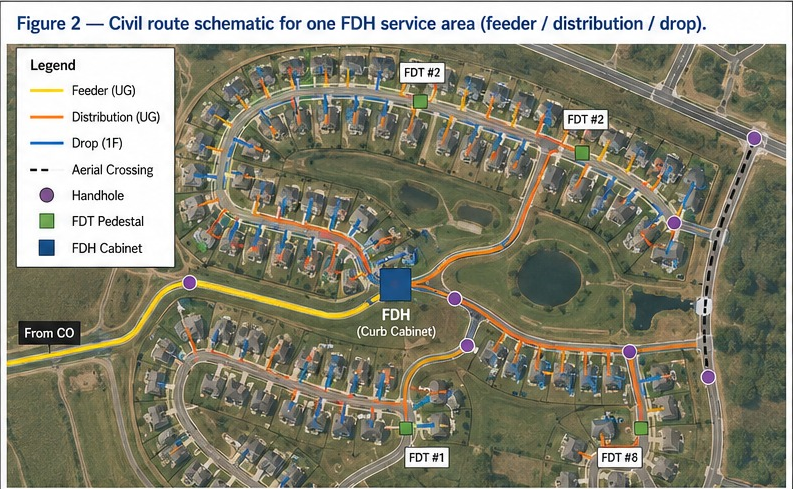

Greenfield FTTH design for 500 homes, full OSP package from plat to BOM
Built to standard US ILEC/CLEC practice: a two-stage 1:4/1:8 split localizes fault response to a single FDT instead of the whole feeder, construction runs underground-first to meet HOA aesthetic requirements, and 20–30% spare fiber is held at every tier so the network can absorb infill lots without a re-trench. The design closes with 7.4 dB of optical margin against the 28 dB GPON Class B+ budget, enough headroom for a future 1:64 upgrade at a subset of FDTs.
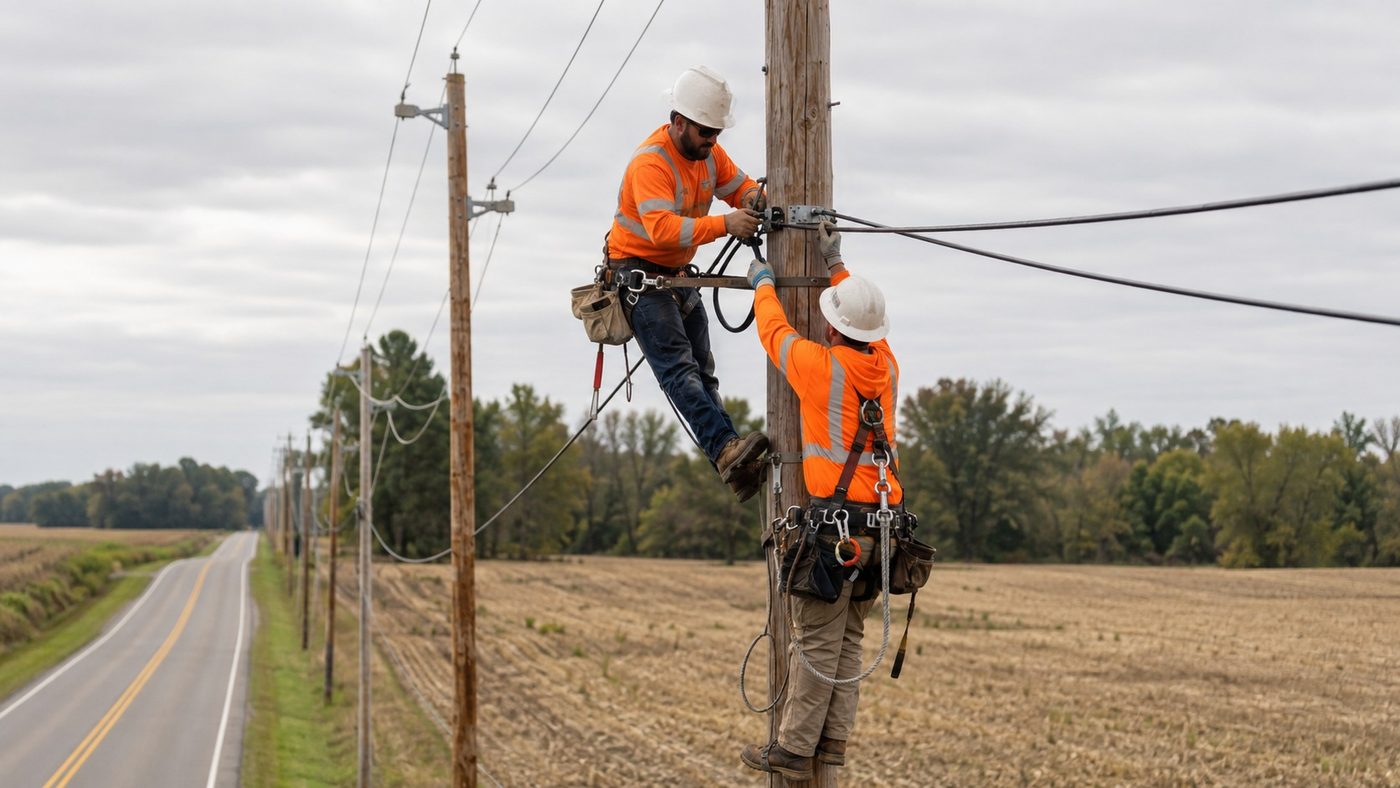
Rural greenfield FTTH design for a 500-location BEAD service area
A two-stage 1:32 split architecture assigns all 500 approved locations to complete XGS-PON paths across 512 terminal ports. Route optimization reduces the seed alignment from 35.7 to 33.0 miles, a 7.6% reduction, while the modeled planning cost falls from $9,460 to $8,940 per passing and the worst modeled path retains 4.74 dB of N2 optical margin.
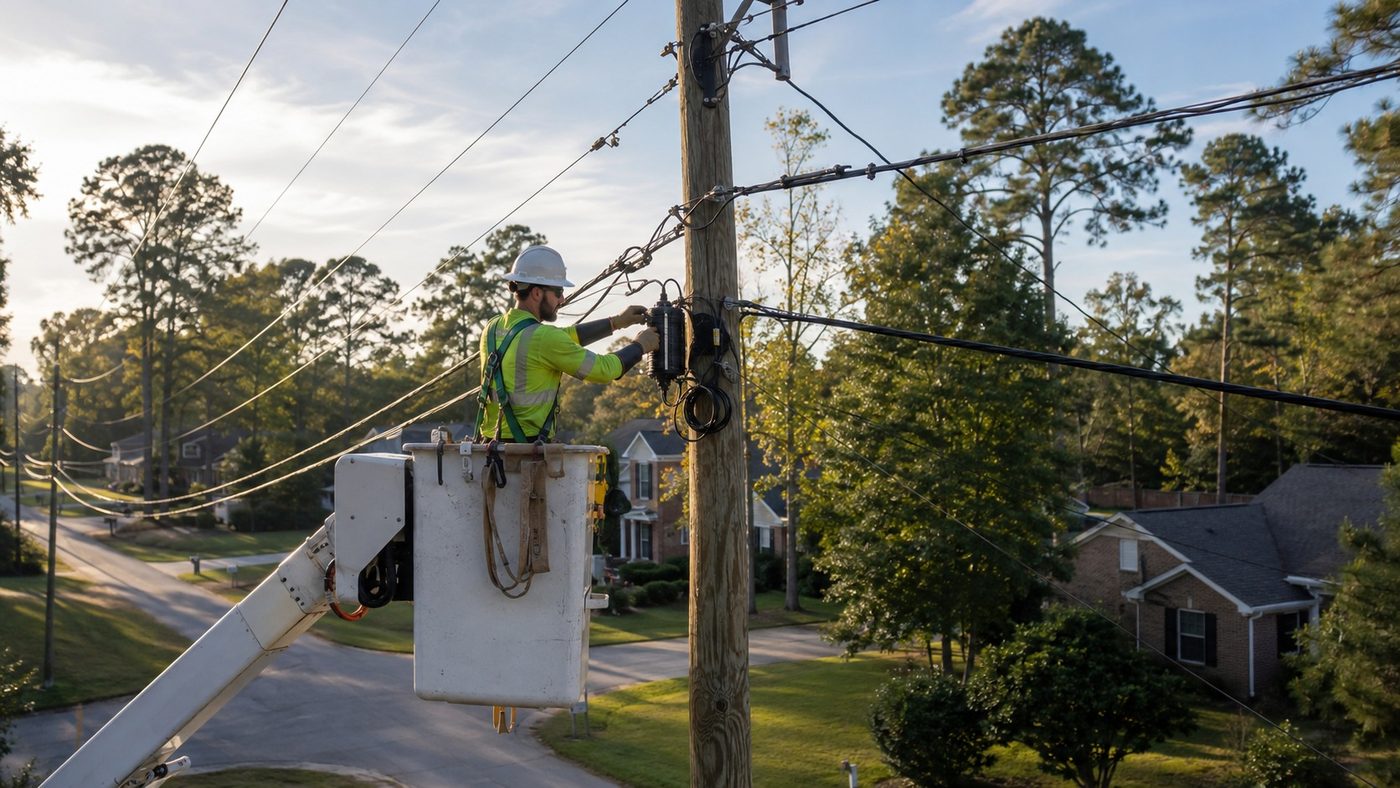
Aerial FTTH design and pole make-ready analysis
A pole-by-pole evidence record separates clean attachment candidates from conditions that require transfer, rearrangement, guying review or replacement. The modeled review identifies 226 make-ready or data conflicts across 1,946 poles; design adjustments resolve 141 before application packaging, including 15 avoided pole-replacement candidates, reaching 92% first-submission readiness.
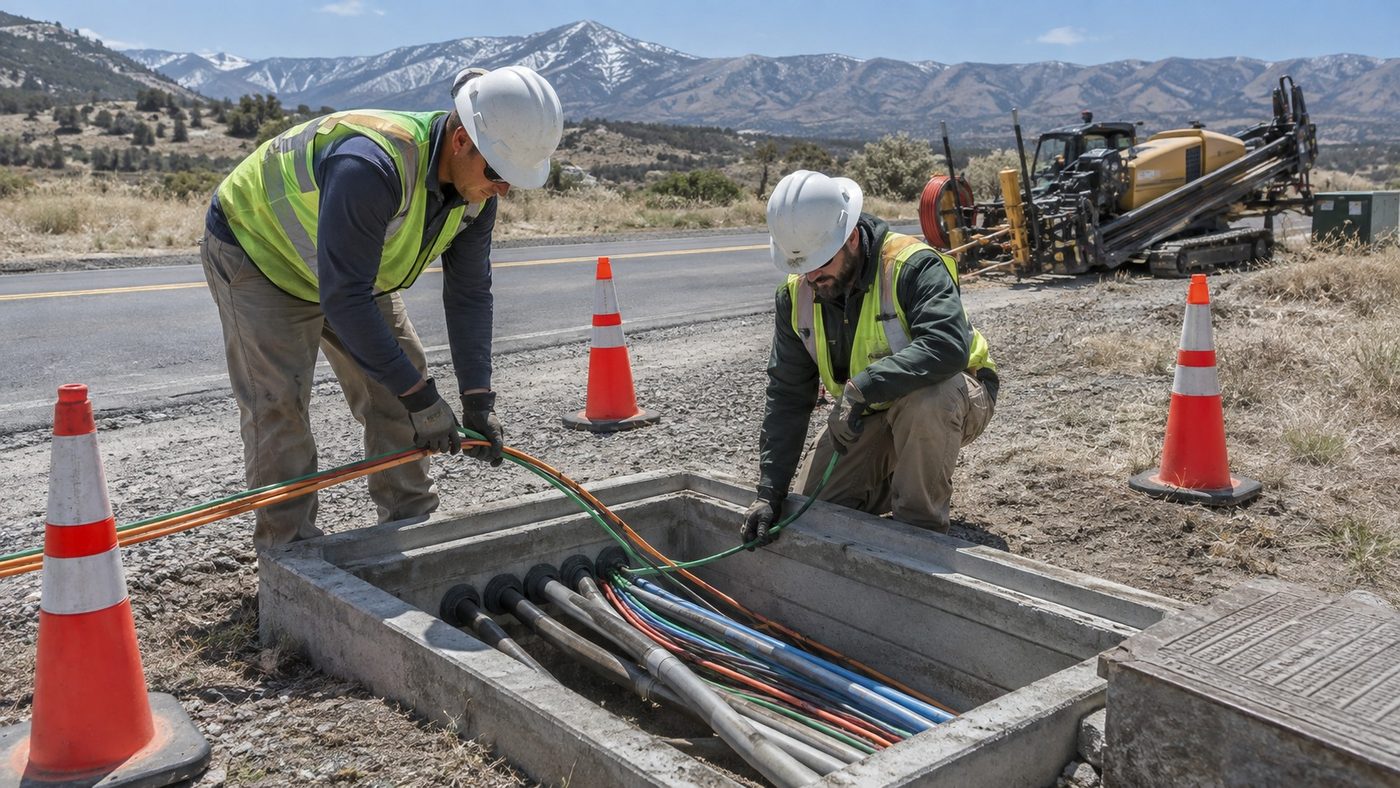
Underground FTTH and right-of-way permit design
One connected network model is divided into nine jurisdiction-specific permit packages. The modeled design resolves 51 of 64 identified utility conflicts before permit issue, shortens the initial route by 1.9 miles, and the revised quantities indicate approximately $410,000 in avoided construction and restoration cost relative to the seed alignment.
Brownfield fiber expansion and PON capacity upgrade
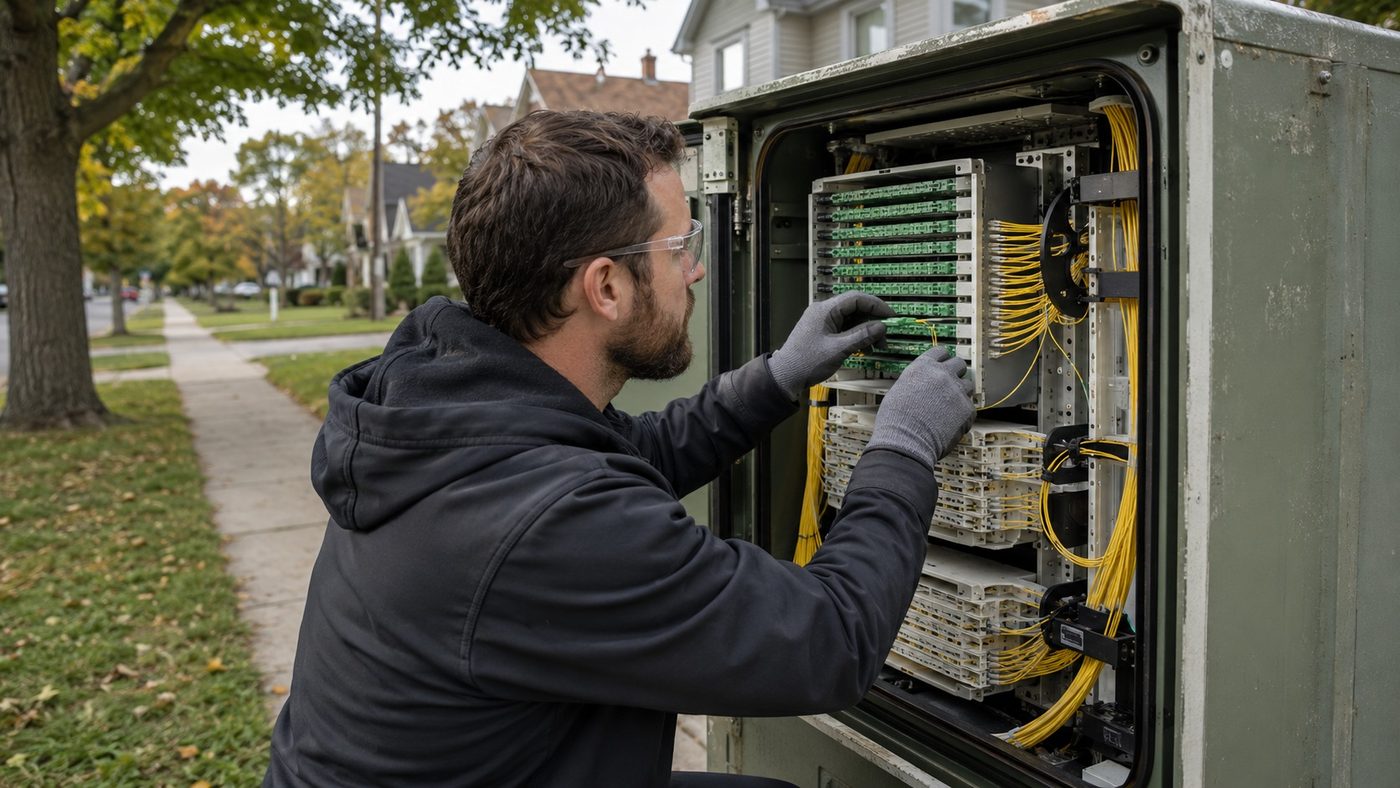
Brownfield planning starts by reconciling the live logical path before any new capacity is assigned. The modeled upgrade adds capacity for 1,472 premises, relieves 42 exhausted feeder fibers and reduces average splitter utilization from 87% to 68%; reuse and reassignment avoid 7.4 miles of new feeder construction, representing approximately $780,000 in the client-style planning model.
OSP as-built digitization and GIS network-record modernization
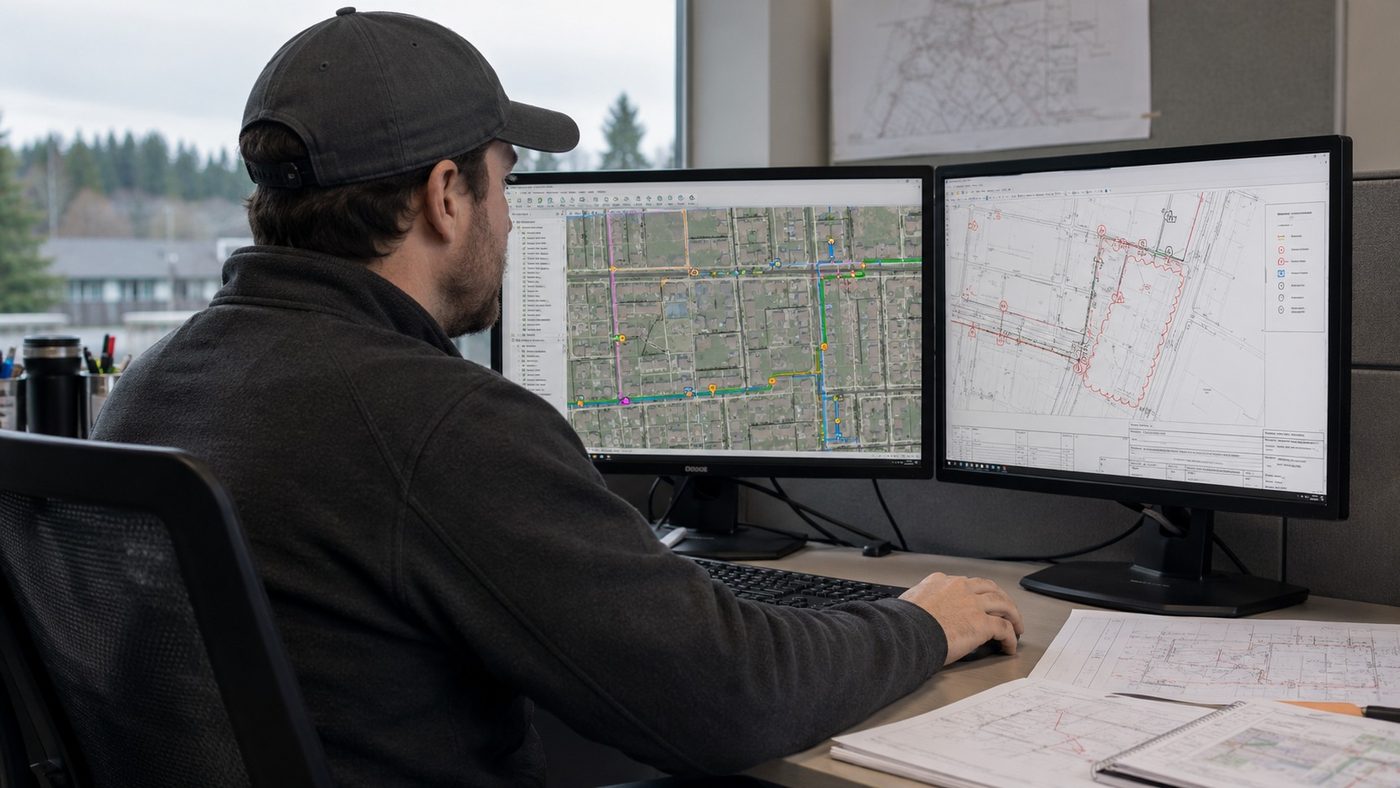
Each source document is treated as evidence and converted into a connected network model only after source precedence, schema, identifiers and relationship rules are defined. The modeled program converts 1,742 legacy record sets across 1,126 route miles, corrects 8,412 deterministic errors, and raises mandatory-attribute completeness from 71% to 97%, dropping the median trace-preparation benchmark from 38 to 11 minutes.
Utility-scale solar PV design and construction engineering support
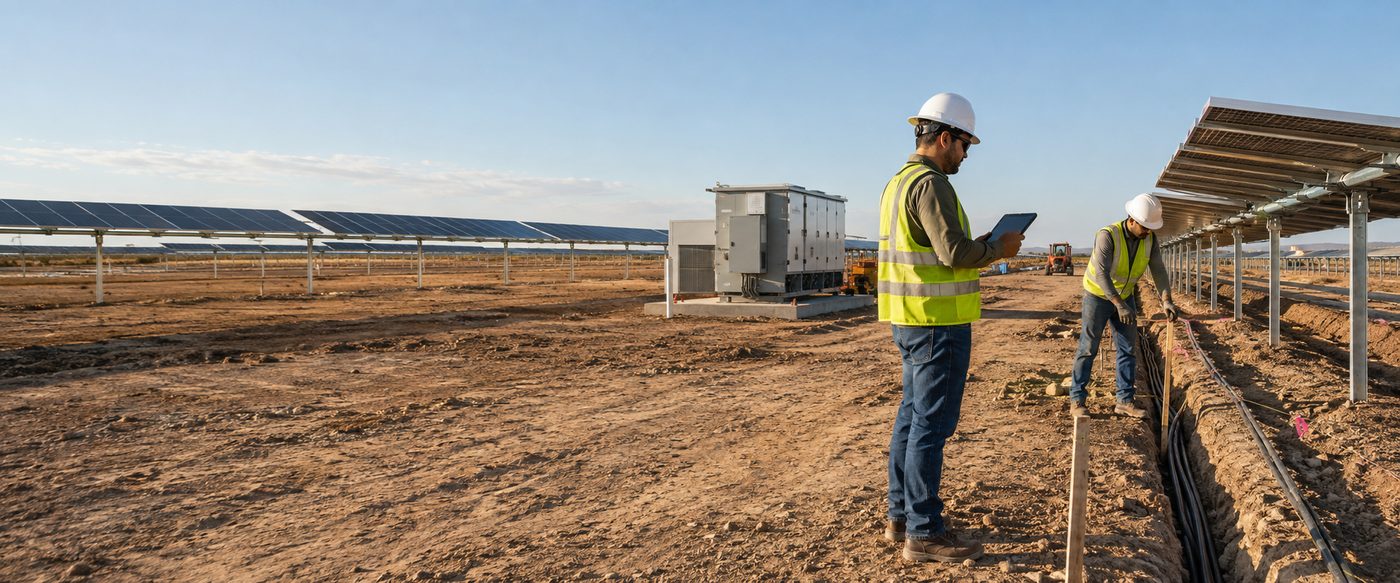
One ID-controlled site and electrical model carries a route change through voltage drop, cable length, trench quantities, crossing schedules and drawing references together. The representative design delivers 194.8 MWdc / 150 MWac across 1,120 acres with a 1.299 DC/AC ratio, reduces modeled cable from 550 km to 504 km, and closes 77 of 91 conflicts in the Pathworks coordination register before issue.
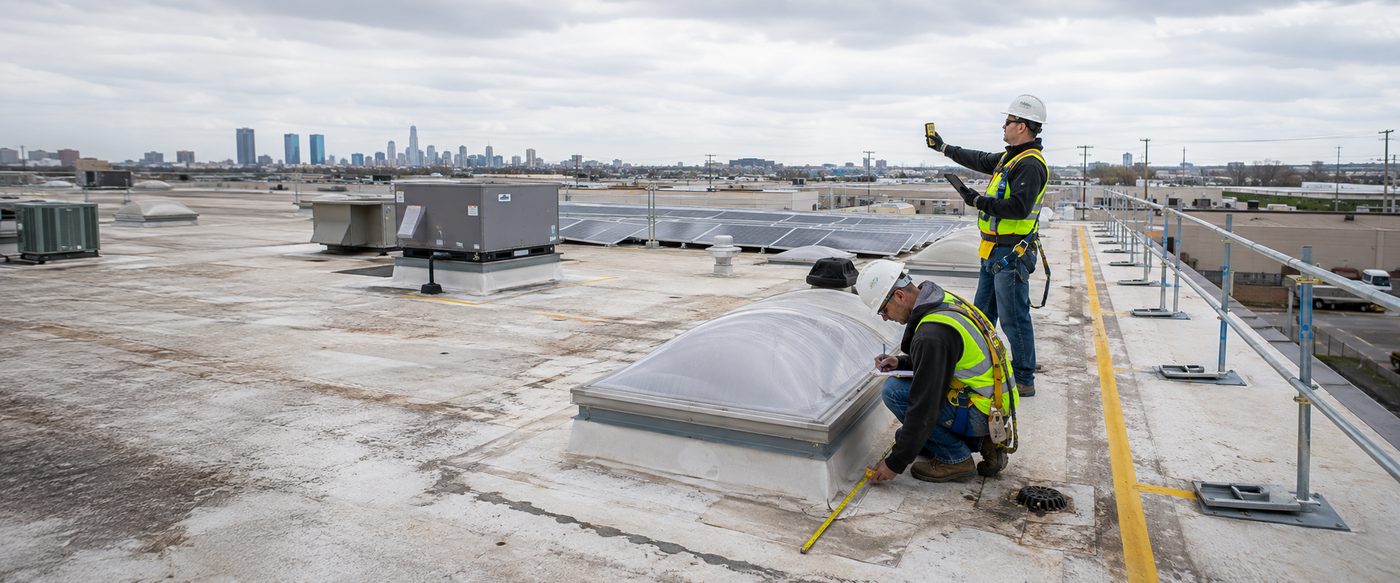
Commercial and industrial rooftop solar permit plan sets
A program template with site-specific rule packs standardizes sheet structure, calculations, labels and QA while preserving site-specific roof geometry and AHJ requirements. The representative program delivers 11.597 MWdc / 9.0 MWac across 36 sites and fourteen AHJs, controlled to a program acceptance target of at least 90% of sites issued without major design correction and no more than 0.5 design revisions per site against a 1.6 unmanaged baseline.
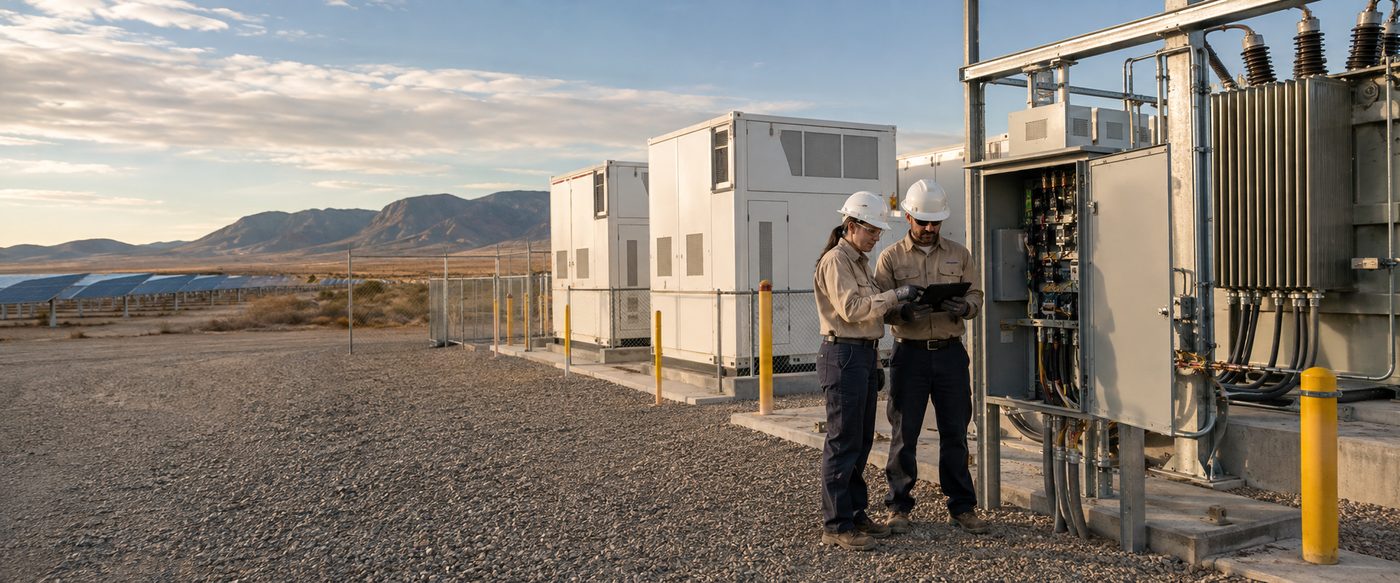
Solar-plus-battery energy storage system design
Dispatch assumptions are carried into an equipment-level model so a financial dispatch curve is never issued as an electrical design without a safe, traceable equipment path. The representative design combines 24.001 MWdc of single-axis tracker PV with a 10 MW BESS carrying 44 MWh usable at beginning of life against a 40 MWh guaranteed usable commitment: campus peak falls from 22.4 MW to 14.3 MW, curtailed PV drops from 7.8 GWh to 1.6 GWh, and PV capture rises from 81.8% to 96.3% (approximately 94.4% delivered after 87% round-trip efficiency).
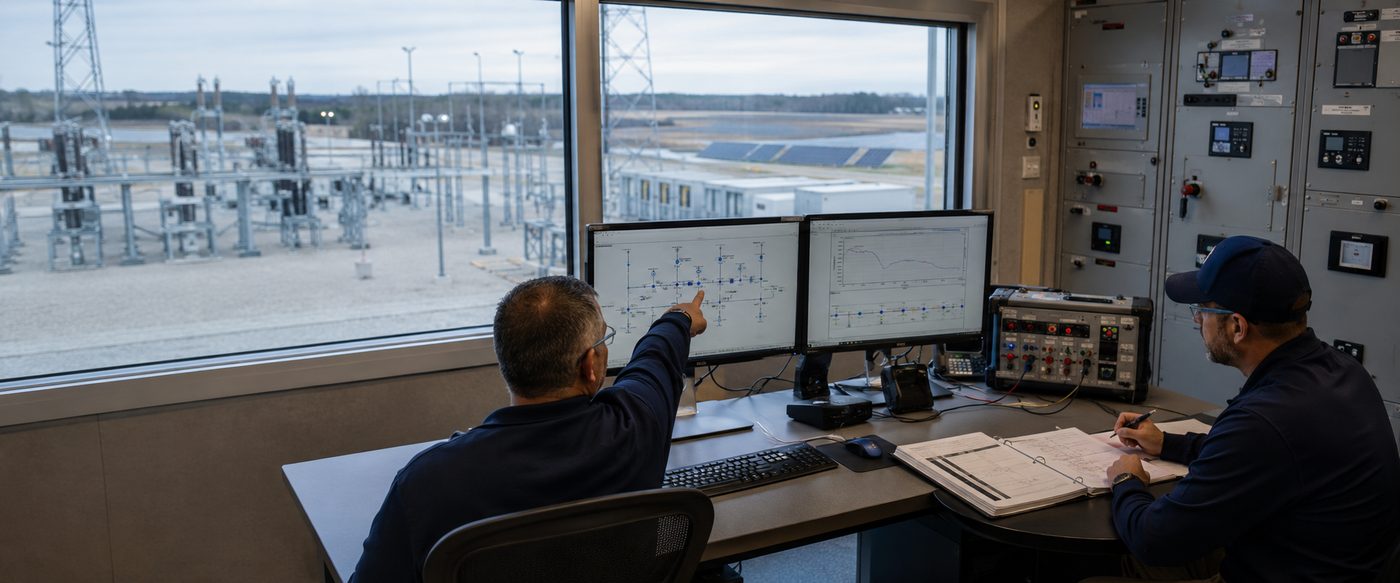
Renewable-energy grid interconnection and power-system studies
An interconnection evidence chain runs from application data through equipment models, study cases, contingencies, violations, mitigation, revised models and utility response, with a model register recording source, version, checksum and owner for every submitted file. The representative package supports a controlled 120 MW export basis, mitigates five project-caused violations, and logs 41 utility comments responded through three controlled cycles.
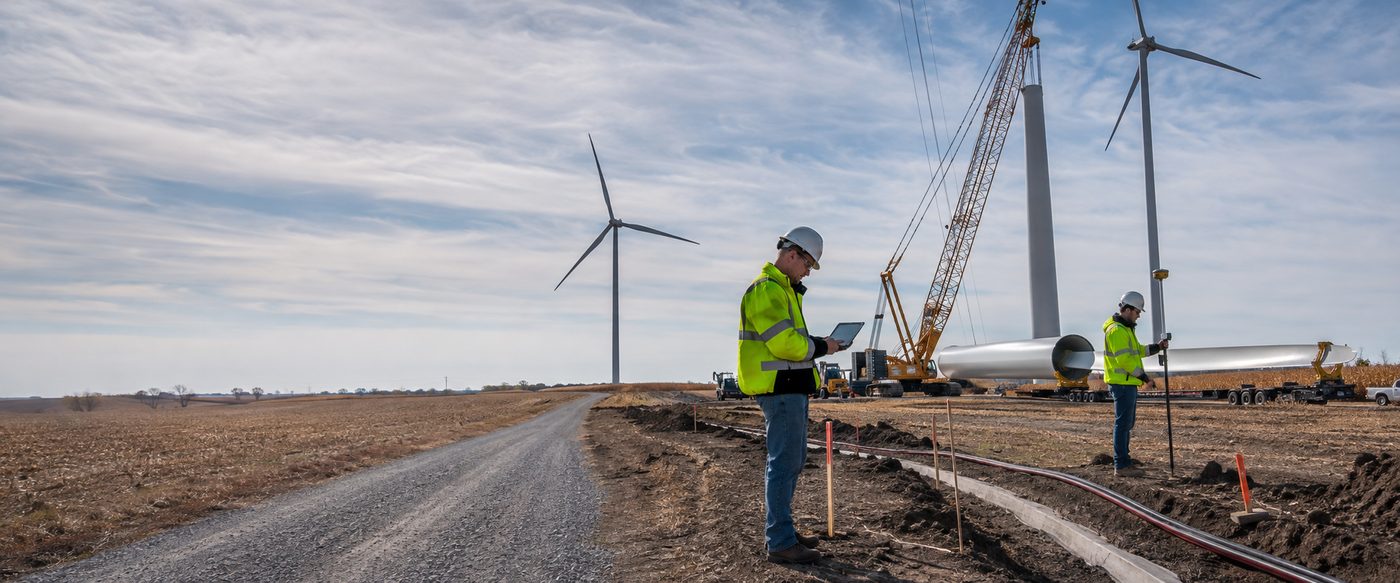
Wind-farm repowering and electrical balance-of-plant design
A retained/modify/replace disposition is built for every existing asset, using the same asset IDs across the turbine plan, access design, collection circuits, substation interface and demolition package. The representative full repower replaces 68 × 1.5 MW turbines with 40 × 4.2 MW units, raising capacity from 102 MW to 168 MW and net annual energy from 290 GWh to 654 GWh while retaining 65% of access alignment and 36% of trench/duct corridors.